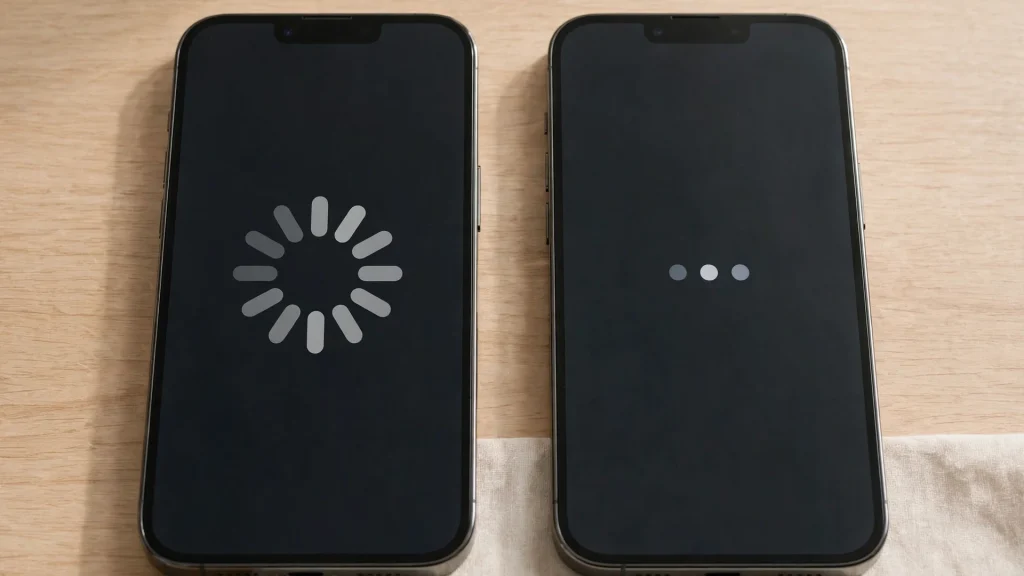
MBProgressHUD vs SwiftUI ProgressView: Which Fits Your App?
If you build iOS apps today, you will meet two ways to show a loading indicator: MBProgressHUD, the classic Objective-C […]

If you build iOS apps today, you will meet two ways to show a loading indicator: MBProgressHUD, the classic Objective-C […]

MBProgressHUD usually works on the first try, but when it does not, the error can look confusing. A HUD that […]
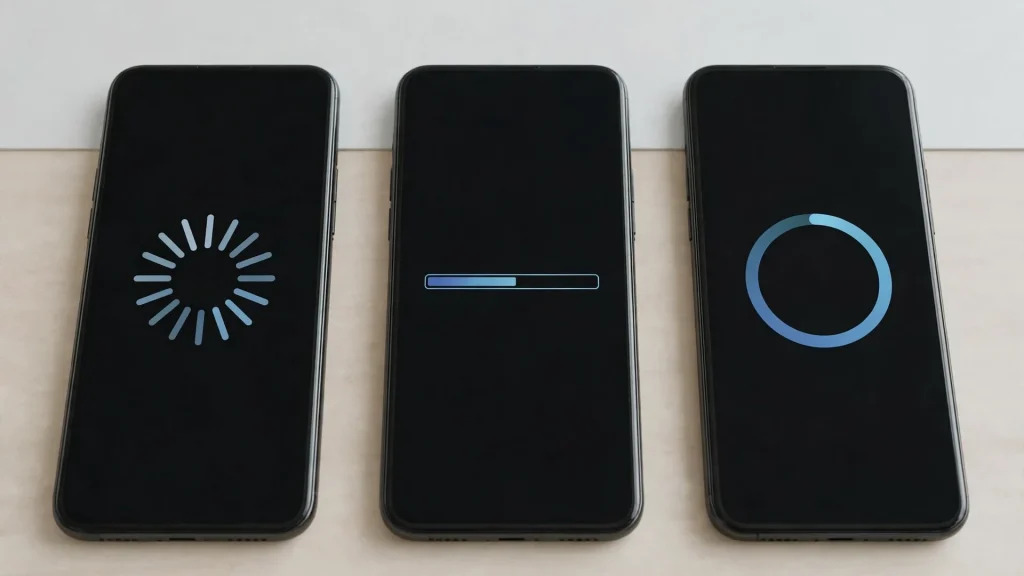
MBProgressHUD can show a spinner, a progress bar, a ring, a custom view, or just text. Each of those is […]
MBProgressHUD is written in Objective-C, but most new iOS apps are written in Swift. That combination works fine, but you […]
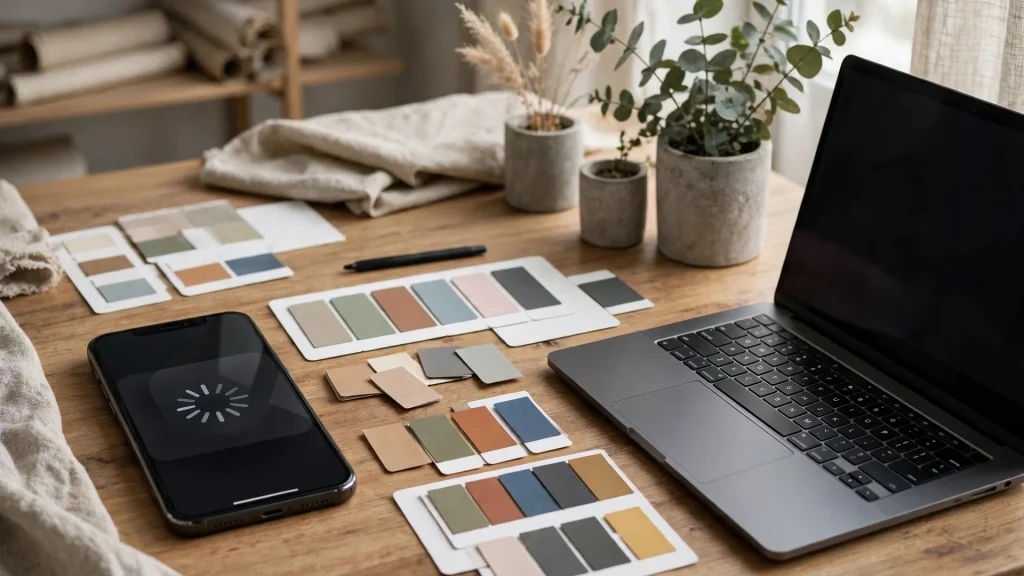
MBProgressHUD looks clean out of the box, but it does not have to look the same in every app. You […]

A spinner tells the user to wait, but a progress bar tells them how long the wait will be. That […]
Showing a loading indicator is the first thing you will do with MBProgressHUD, and it takes only a few lines […]

CocoaPods has been the standard way to install iOS libraries for years, and it still works well for MBProgressHUD. If […]

Swift Package Manager is the modern way to add MBProgressHUD to your iOS app, and it is the method Apple […]
If you build iOS apps, you have seen the moment when your app needs a few seconds to finish something, […]